Industrial Excellence
Mixing Impeller
High-performance industrial blades available in SS316, Hastelloy, and Titanium, engineered to optimize axial, radial, and high-shear flow patterns.
ISO 9001:2015 certified
Global Export Standards
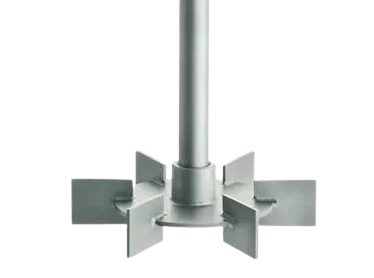 mixing
System Advantages
Axial, Radial & Mixed Flow Designs
SS316, Hastelloy & Titanium MOC
High-Mirror Polished Finish Options
Low-Shear to High-Shear Geometries
Custom Shaft Diameter Matching
Corrosion Resistant Passivation
1. Diverse Industrial Applications
- Chemical Processing: Dissolving solids, creating stable suspensions, and ensuring reaction uniformity.
- Pharmaceuticals: Precision blending of active ingredients and creation of stable emulsions.
- Food & Beverage: Achieving homogenization, texture control, and consistent flavor blending.
- Water Treatment: Specialized designs for flocculation, chemical dosing, and sludge processing.
- Paints & Coatings: Critical for pigment dispersion and maintaining strict color consistency.
2. Key Impeller Types & Geometries
- Propellers: Generate axial flow for low-viscosity blending and heat transfer applications.
- Paddle Impellers: Flat-blade designs for gentle mixing and maintaining uniformity in large tanks.
- Turbine Impellers: Versatile blades (including Rushton turbines) for gas dispersion and radial flow.
- Hydrofoils: Thin, angled blades for high-efficiency axial flow in low-shear applications.
- Anchor & Helical: Designed for high-viscosity materials and heat-sensitive wall-scraping duties.
- High-Shear (Rotor-Stator): Intense shear for dispersing solids and creating fine emulsions.
3. Flow Pattern Characteristics
- Axial Flow: Top-to-bottom circulation ideal for blending and solid suspension.
- Radial Flow: Perpendicular flow creating high turbulence for gas-liquid mixing.
- Tangential Flow: Circular motion along the tank circumference, suitable for vortex mixing.
- Mixed Flow: A versatile combination of axial and radial patterns for multi-purpose mixing.
4. Engineering Selection Factors
- Fluid Viscosity: Matching propeller types to low-viscosity or helical ribbons to high-viscosity fluids.
- Shear Sensitivity: Selecting hydrofoils for delicate materials vs. rotor-stators for high-shear needs.
- Tank Geometry: Optimizing blade selection based on tank height, width, and baffle arrangement.
- Power Input: Aligning impeller torque requirements with available motor capacity to prevent energy waste.
5. Metallurgy & Surface Durability
- Premium Stainless Steel: Standard SS316 and SS304 for pharmaceutical and food-grade hygiene.
- Exotic Alloys: Hastelloy, Titanium, and Monel for aggressive chemical environments.
- Advanced Coatings: Ceramic or polymer coatings for extreme heat or metal-free requirements.
- Surface Processing: Options for high-mirror polishing, pickling, and passivation for corrosion resistance.
Technical Matrix
Standard MaterialStainless Steel 316 / 316L
Alternative MOCHastelloy, Titanium, Carbon Steel
Flow TypesAxial, Radial, Tangential, Mixed
Viscosity Range1 cP to 1,000,000+ cP
Surface FinishPolished, Coated, or Pickled
Design OptionsPropeller, Turbine, Anchor, Hydrofoil
Resources
Technical Documents
Related Products
Explore More Specialized Technical Modules
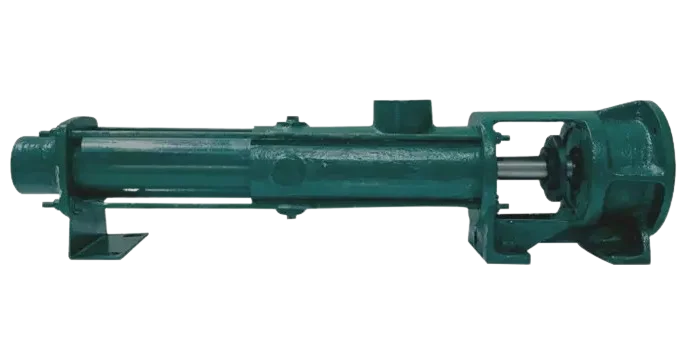
Pumps
Screw Pump
View Specs
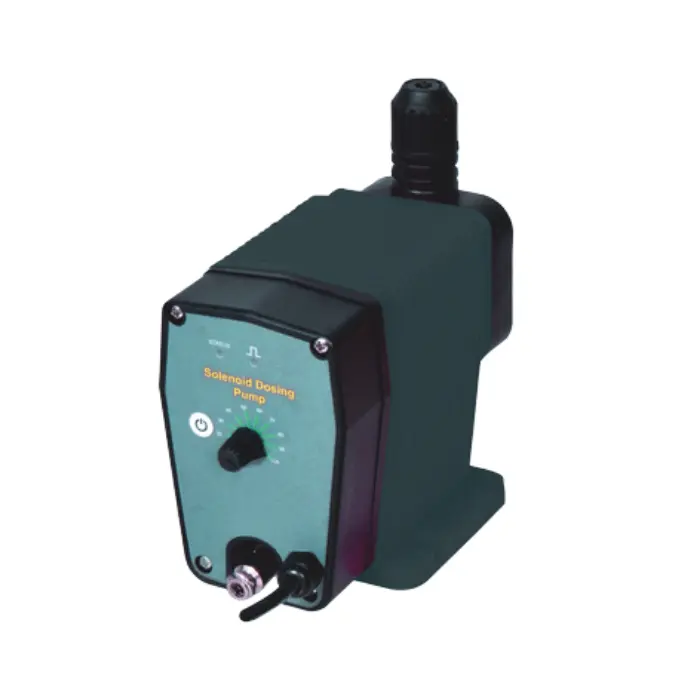
Pumps
Electronic Dosing Pump
View Specs
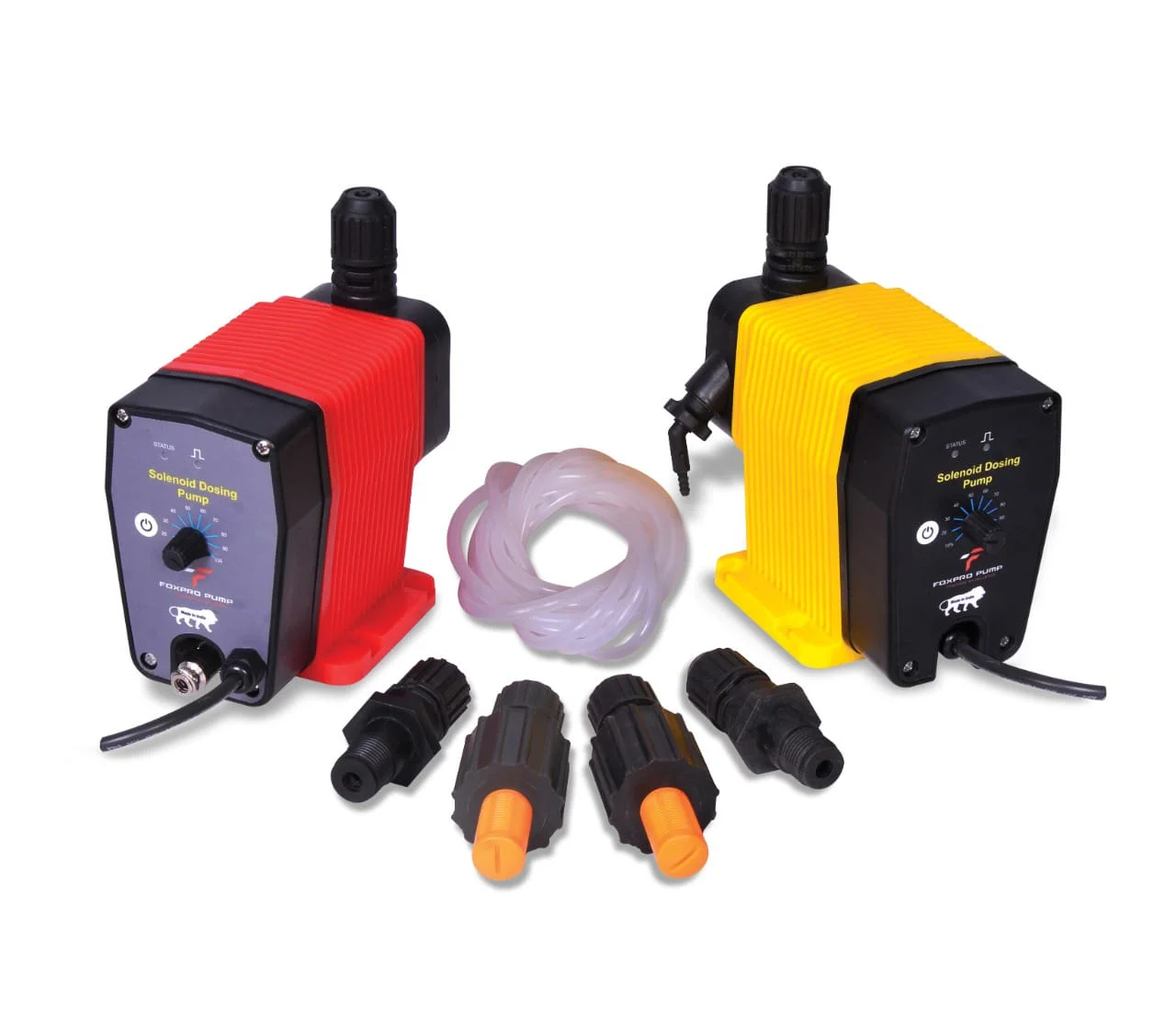
Pumps
Electronic Metering Pumps
View Specs
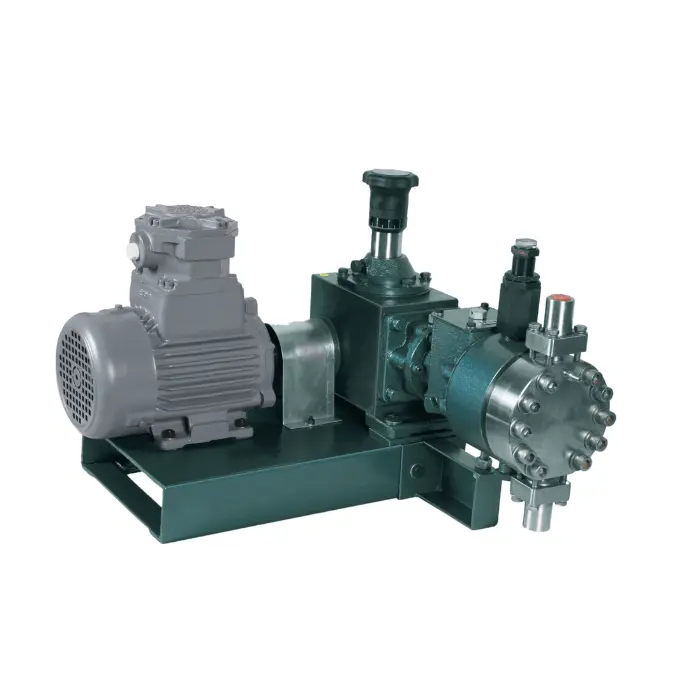
Pumps
Hydraulic Diaphragm Pump
View Specs
Pumps
Mechanical Diaphragm Pump
View Specs
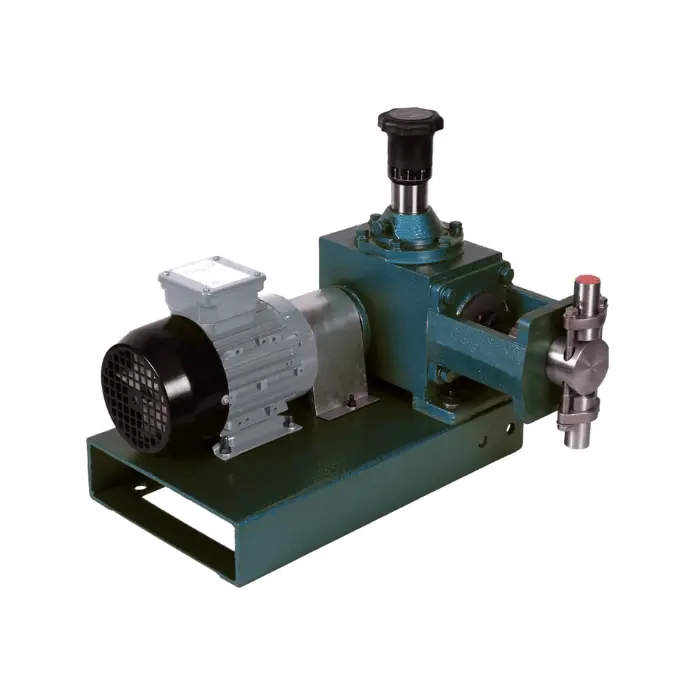
Pumps
Plunger Metering Pump
View Specs
Pumps
Screw Pump
View Specs
Pumps
Electronic Dosing Pump
View Specs
Pumps
Electronic Metering Pumps
View Specs
Pumps
Hydraulic Diaphragm Pump
View Specs
Pumps
Mechanical Diaphragm Pump
View Specs
Pumps
Plunger Metering Pump
View Specs
Datgur Engineering
Performance
In Numbers
We deliver industrial excellence backed by two decades of precision manufacturing and global trust.
0+
Global Presence0+
Satisfied Clients0
Years Exp.0
Quality ChecksGlobal Partnerships
Our Valuable
Clients