Industrial Excellence
Pulsation Dampeners
Essential pressure-stabilizing devices designed to eliminate hydraulic shock, reduce noise, and protect piping from the cyclic action of reciprocating pumps.
ISO 9001:2015 certified
Global Export Standards
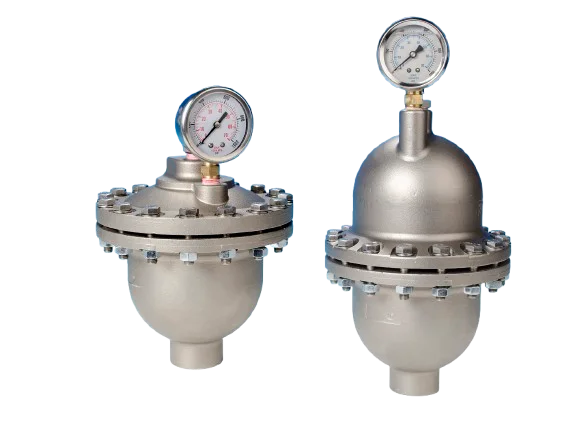 pulsation
System Advantages
Multiple Bladder Material Options (Viton/EPDM/PTFE)
Reduces Pressure Spikes by up to 98%
Hygienic and Industrial Grade Models
Corrosion-Resistant External Coatings
Threaded, Flanged, or Socket Connections
Integrated Pressure Gauge Port
1. Functional Components
- Flexible Membrane (Bladder/Diaphragm): Provides a physical barrier between gas and liquid, allowing for pressure transfer without mixing.
- Compressible Gas Chamber: Usually filled with Nitrogen to act as a pneumatic spring that absorbs energy spikes.
- Fluid Interface: The wet-end chamber that connects directly to the process piping.
- High-Strength Housing: Durable casing in SS316, PVC, or PVDF, engineered to withstand high system pressures.
- Charging Valve: Allows for precise adjustment of gas pressure to match specific application needs.
2. The Dampening Cycle
- Absorption: As the pump creates a pressure pulse, liquid enters the dampener, compressing the internal gas.
- Storage: The gas chamber temporarily stores the energy from the pressure spike, preventing it from traveling down the pipe.
- Release: When the pump stroke ends and pressure drops, the gas expands, pushing the liquid back into the line.
- Smoothing: This continuous cycle transforms a 'pulsed' flow into a smooth, steady 'laminar' flow profile.
3. Primary Types of Dampeners
- Bladder-Type: Highly flexible and excellent for chemical compatibility; the most common choice for industrial dosing.
- Diaphragm-Type: Robust and durable, specifically suited for high-frequency pulsations and sanitary applications.
- Piston-Type: Utilizing a metal piston for separation; ideal for ultra-high-pressure hydraulic requirements.
4. Key Industrial Benefits
- Vibration Control: Eliminates the 'water hammer' effect that causes pipe fatigue and joint leaks.
- Metering Precision: Ensures that flow-based sensors and dosing pumps operate with maximum accuracy.
- Noise Abatement: Significantly reduces the rhythmic hammering noise common in pump rooms.
- Maintenance Savings: Lower wear on valves, seals, and gaskets by providing a consistent pressure environment.
- Energy Efficiency: Reduces the 'startup' inertia for the pump at the beginning of every stroke.
5. Critical Selection Factors
- Pump Dynamics: Matching the dampener volume to the pump's displacement per stroke.
- Material Compatibility: Ensuring the bladder and housing materials are resistant to the process fluid.
- Pressure & Temp: Selecting a unit rated for the maximum surge pressure and thermal limits of the system.
6.High-Pressure Applications Pulsation Dampener – Datgur Engineering
- In demanding oil and gas pipeline operations, maintaining smooth and stable fluid flow is critical for safety, efficiency, and equipment longevity. A Pulsation Dampener plays a vital role in absorbing pressure fluctuations caused by pumps and compressors. We design advanced pulsation dampeners that reduce vibration, protect pipeline components, and improve overall system performance. Built using high-quality materials and precision engineering, these dampeners are suitable for harsh industrial environments and high-pressure applications. With Datgur Engineering's expertise, oil and gas companies can achieve reliable flow control, reduced maintenance costs, and enhanced operational safety across pipeline transportation systems.
Technical Matrix
Types AvailableBladder, Diaphragm, Piston
Material of ConstructionSS316, PVC, PP, PVDF, Carbon Steel
Membrane MaterialsNBR, EPDM, Viton, PTFE
Pressure RatingAtmospheric to 400+ Bar
Gas FillingNitrogen (Clean, Dry Air for Low Pressure)
Connection Sizes1/4" to 4" Standard
Resources
Technical Documents
Related Products
Explore More Specialized Technical Modules
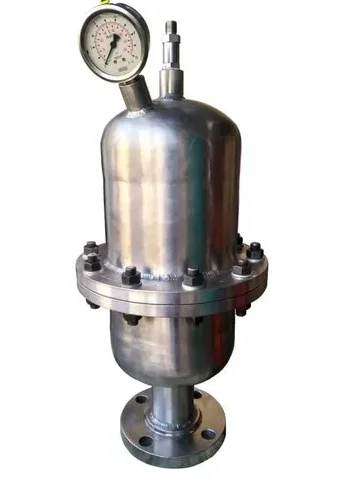
Dosing System Accessories
Precharge Pulsation Dampener
View Specs
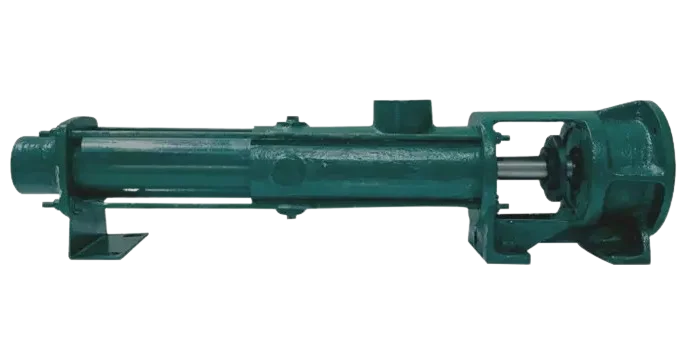
Pumps
Screw Pump
View Specs
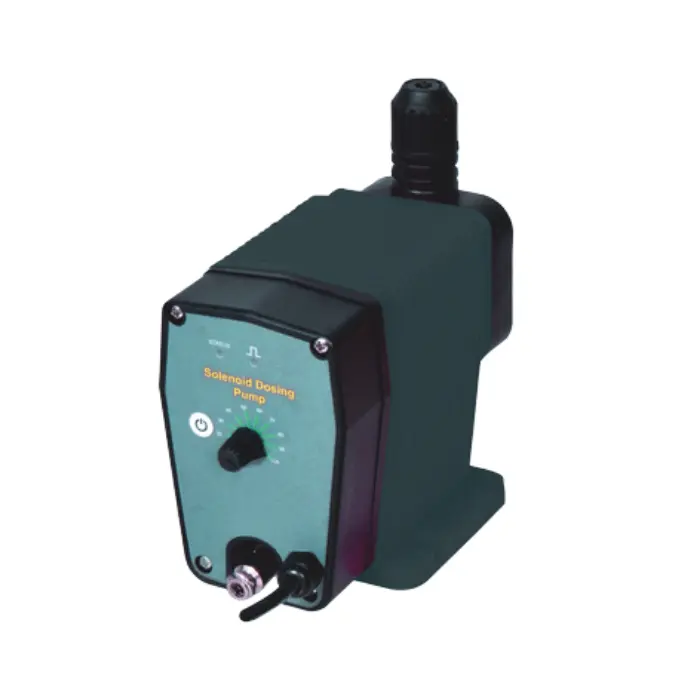
Pumps
Electronic Dosing Pump
View Specs
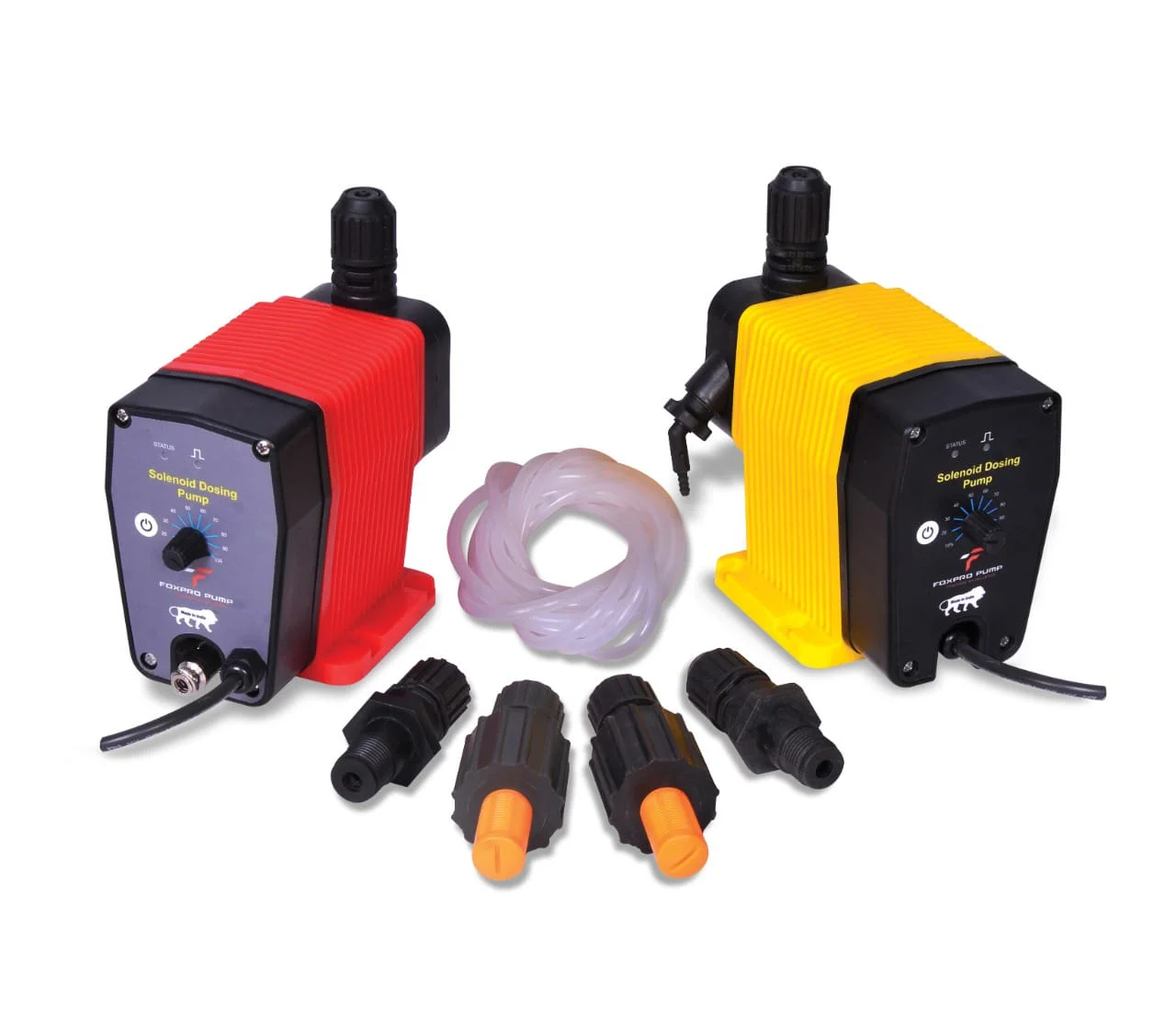
Pumps
Electronic Metering Pumps
View Specs
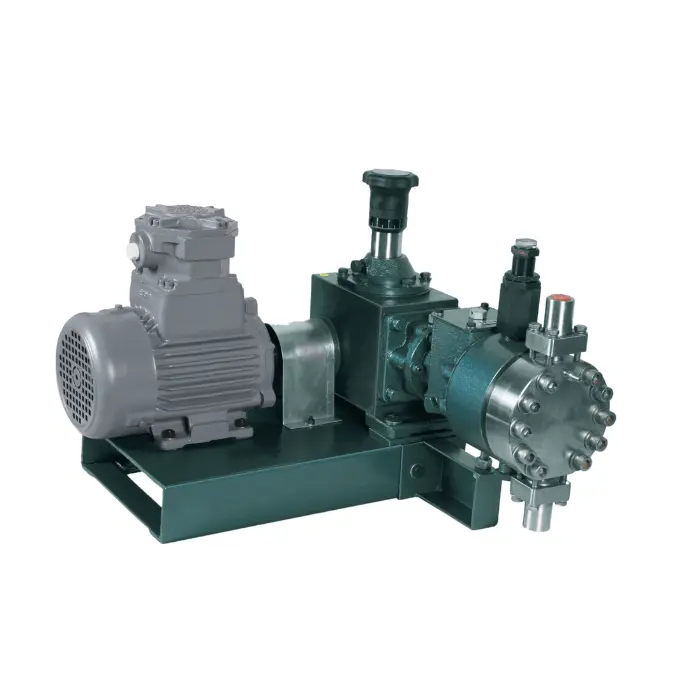
Pumps
Hydraulic Diaphragm Pump
View Specs
Pumps
Mechanical Diaphragm Pump
View Specs
Dosing System Accessories
Precharge Pulsation Dampener
View Specs
Pumps
Screw Pump
View Specs
Pumps
Electronic Dosing Pump
View Specs
Pumps
Electronic Metering Pumps
View Specs
Pumps
Hydraulic Diaphragm Pump
View Specs
Pumps
Mechanical Diaphragm Pump
View Specs
Datgur Engineering
Performance
In Numbers
We deliver industrial excellence backed by two decades of precision manufacturing and global trust.
0+
Global Presence0+
Satisfied Clients0
Years Exp.0
Quality ChecksGlobal Partnerships
Our Valuable
Clients